
Four rules for knees that last
Standfirst: As President of the British Knee Society I spend my working life looking at damaged knees. Here is what I do to protect my own.
Knee pain affects over one in five adults past 50, and most of it is not inevitable. The knee responds to how it is treated, and the protective habits are simple. I group them under four headings.
1. General health and wellness
The single biggest modifiable risk for knee arthritis is body weight. People who are obese carry more than four times the risk of knee osteoarthritis, and every extra pound of body weight adds roughly four pounds of load to the knee with each step. Fat tissue releases inflammatory signals that reach the joint, which is why metabolic syndrome is linked to knee arthritis even after weight is accounted for. I eat a Mediterranean style diet.
Smoking belongs here. Smokers with knee arthritis lose cartilage faster and report more pain, and after knee surgery they have more infections and worse outcomes, because nicotine starves healing tissue of blood and slows collagen production. If you smoke, stopping is the best thing you can do for your knees after losing weight.
On supplements I am selective. Glucosamine and chondroitin have thin evidence and NICE does not recommend them, though some of my patients find they help, as does turmeric, which must not be mixed with blood thinners as it raises bleeding risk. Vitamin D is different. It protects bone and muscle, reduces falls, and trials show a modest improvement in knee pain and function in arthritis, though it does not rebuild cartilage. Most adults should take 1,000 to 3,000 IU a day. I take 3,000 because I have Asian skin, which makes less vitamin D from British sunlight. Collagen peptides are newer, with some data behind them. Small trials show less knee pain and better strength gains alongside resistance training. The evidence is young but the risk is low, so I take a daily dose with my training.
2. Biomechanics
Muscles protect the knee. Strong quadriceps, hamstrings and glutes absorb impact before it reaches cartilage, and weak quadriceps are a consistent predictor of worsening knee pain. So I train my legs twice weekly. What I do not do is load the knee in deep flexion. Pressure across the kneecap rises steeply past 90 degrees of knee bend, and further still under added weight. Deep squats, deep lunges and heavy loading in that range are a poor trade for most people past 40. I squat to around 90 degrees, keep the knee from collapsing inward, use a long step when I lunge, and stop any exercise that hurts the kneecap, leg extensions included.
3. Managing load
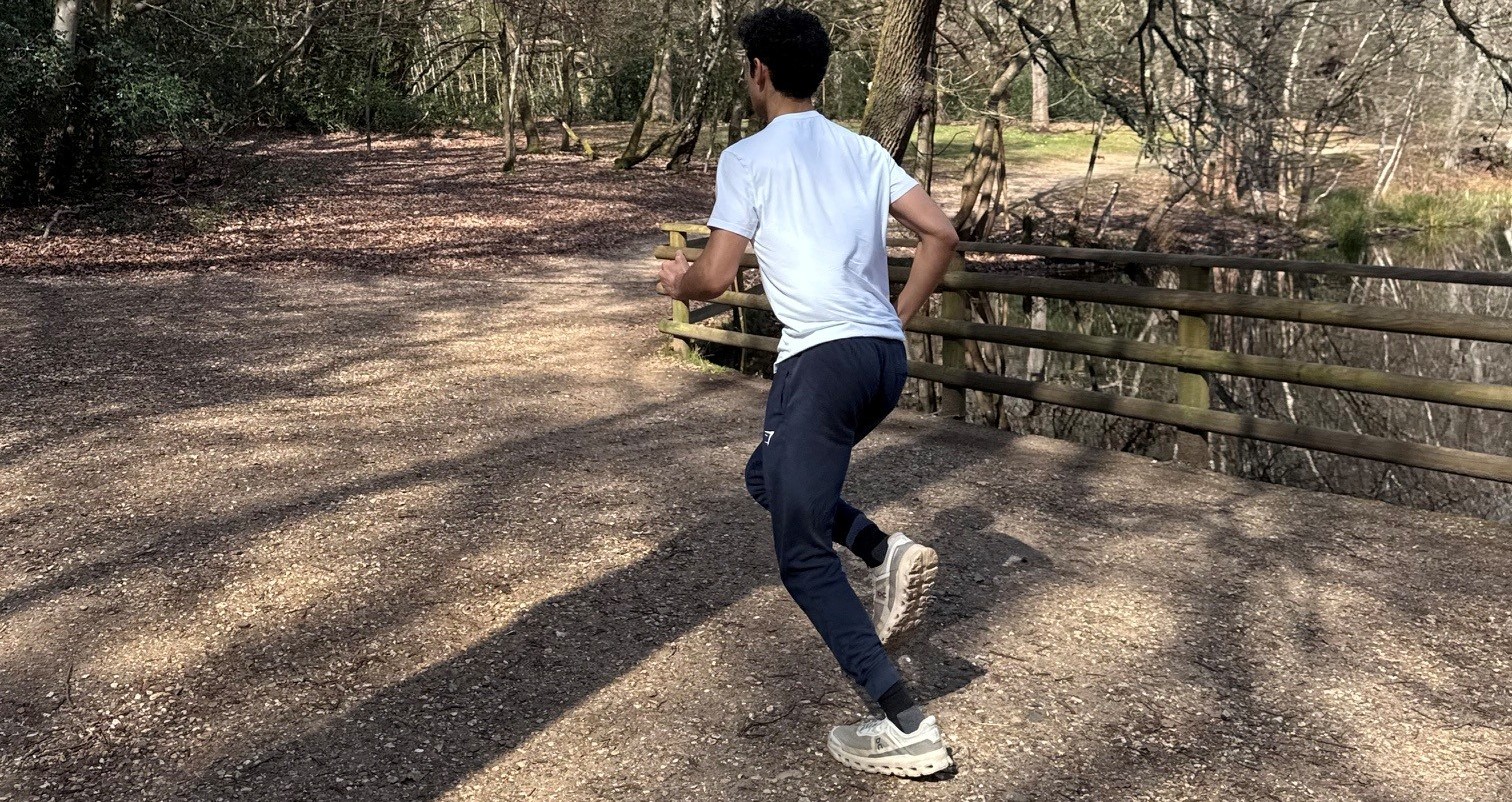
Tissue adapts to load but fails when load changes faster than it can adapt. In professional football, players whose weekly training more than doubled their recent average had six to seven times the injury rate. The same applies to the runner who jumps from nothing to a half marathon plan, or the gardener clearing the lot after winter. Build gradually, and respect fatigue. Tired muscles land stiffer and control the knee less well, so high impact work when exhausted is when knees get hurt. I run, and I ski once a year with prepared legs, never after alcohol or on afternoon slush. I do not do box jumps at the end of a hard session. Walking, by contrast, carries almost no risk. People with knee arthritis who walk for exercise have 40 per cent lower odds of developing regular knee pain.
4. Sleep and rest
In college athletes, every extra hour of sleep cut next-day injury risk by about a third. In knee arthritis, poor sleep sensitises the nervous system, so a bad night makes a sore knee feel worse than it is. I aim for seven to eight hours and treat rest days as part of training. Rest is not sitting, though. Cartilage has no blood supply and needs movement for nourishment. More than four hours a day of leisure sitting is linked to faster structural decline.
None of this needs a gym membership. Keep your weight and metabolic health in check, do not smoke, strengthen the muscles that guard the joint, change load gradually, and sleep. Your knees will last longer for it.
Want the full evidence? Download the long-read article below.