Four rules for knees that last
Standfirst: As President of the British Knee Society I spend my working life looking at damaged knees. Here is what I do to protect my own.

C
h
i
n
m
a
y
G
u
p
t
e
As an ex professional sportsman who has a PhD in knee ligament research, Chinmay Gupte is a complex knee specialist with a national and international pedigree in treating knee conditions.
Wellington Hospital, London, 15 - 17 Lodge Rd, London NW8 7JA
Mon - Fri 8:00 - 17:30
Standfirst: As President of the British Knee Society I spend my working life looking at damaged knees. Here is what I do to protect my own.
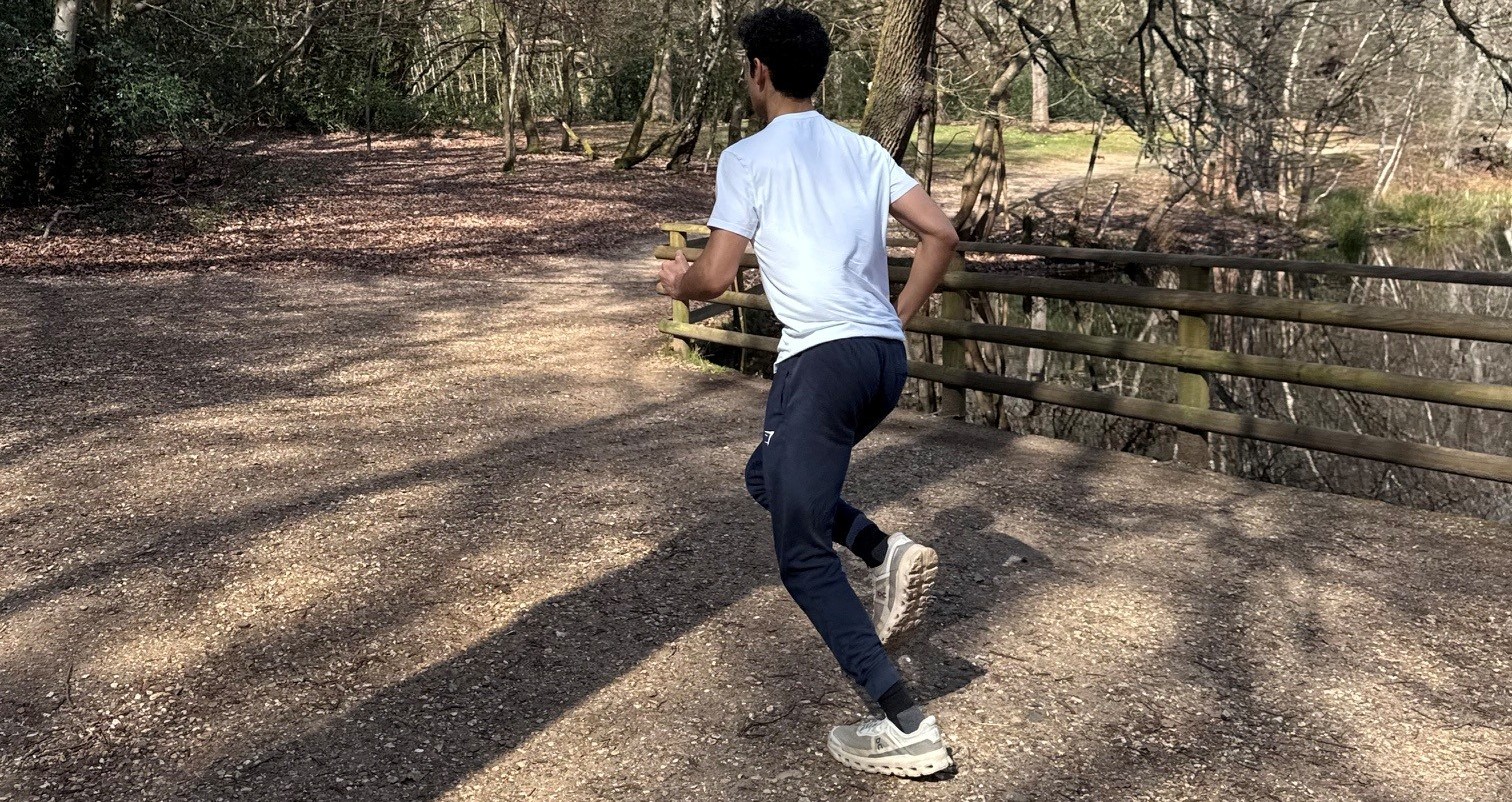
Two groups of runners come to my knee clinic in London. The first have just taken up running, often with a spring marathon in the diary, and want to know how to avoid the injuries they have heard about.
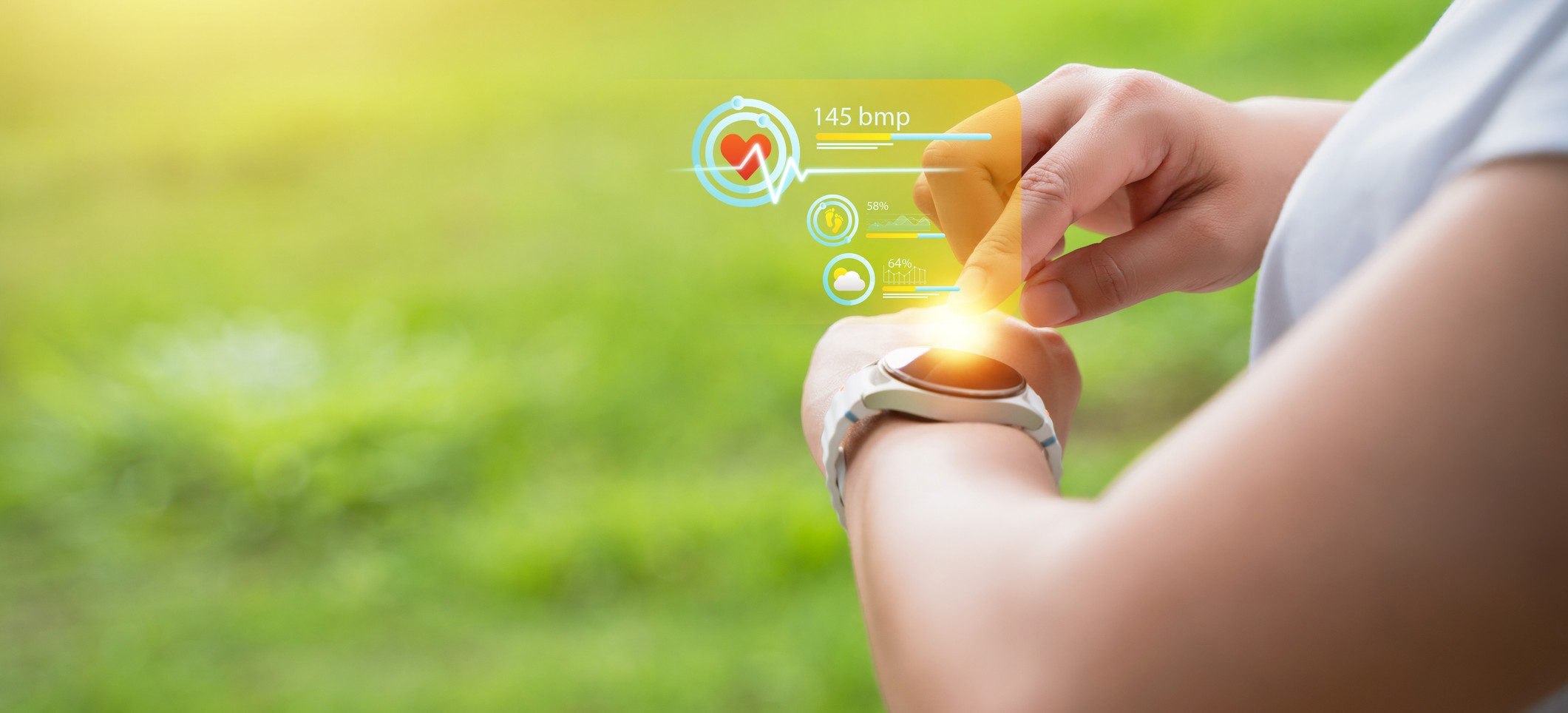
The claim that app-generated training plans are driving a rise in running injuries has now reached the national press.
Most episodes resolve with time, activity modification and structured rehabilitation.
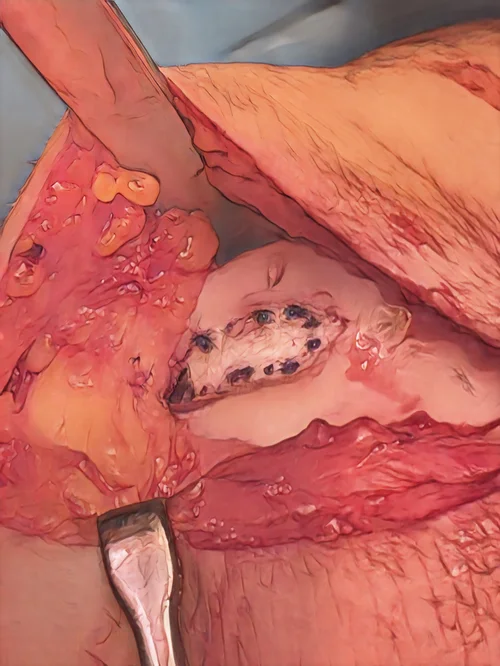
For decades, the dominant model of knee care was reactive.
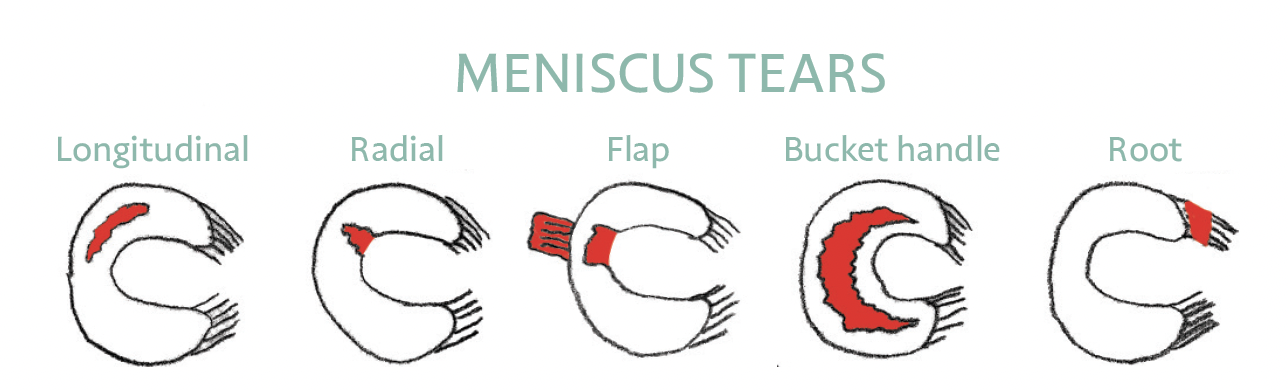
Why preserving the meniscus has become one of the most important principles in modern knee surgery.
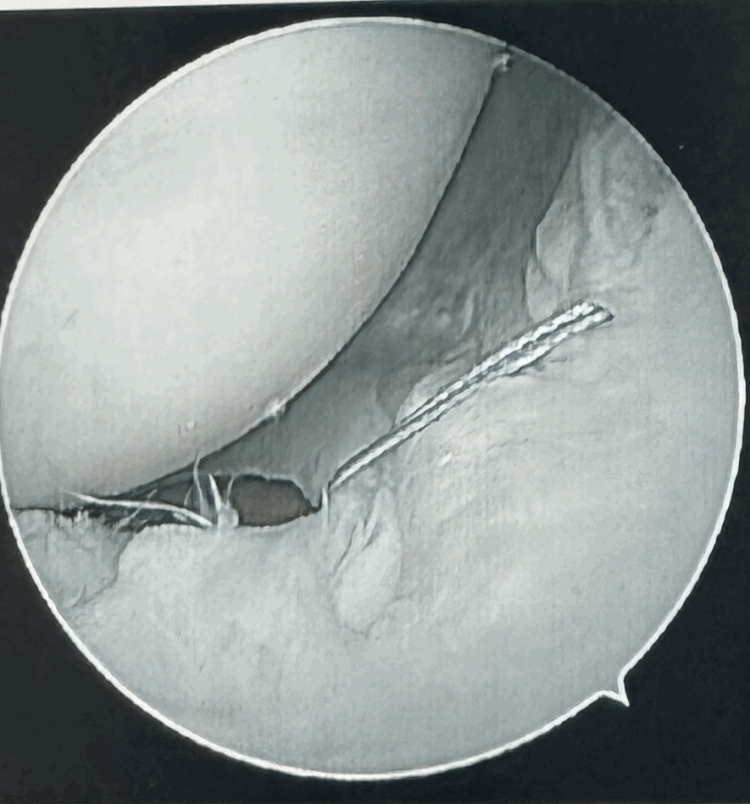
Few procedures in orthopaedic surgery have generated as much debate over the last decade as knee arthroscopy.
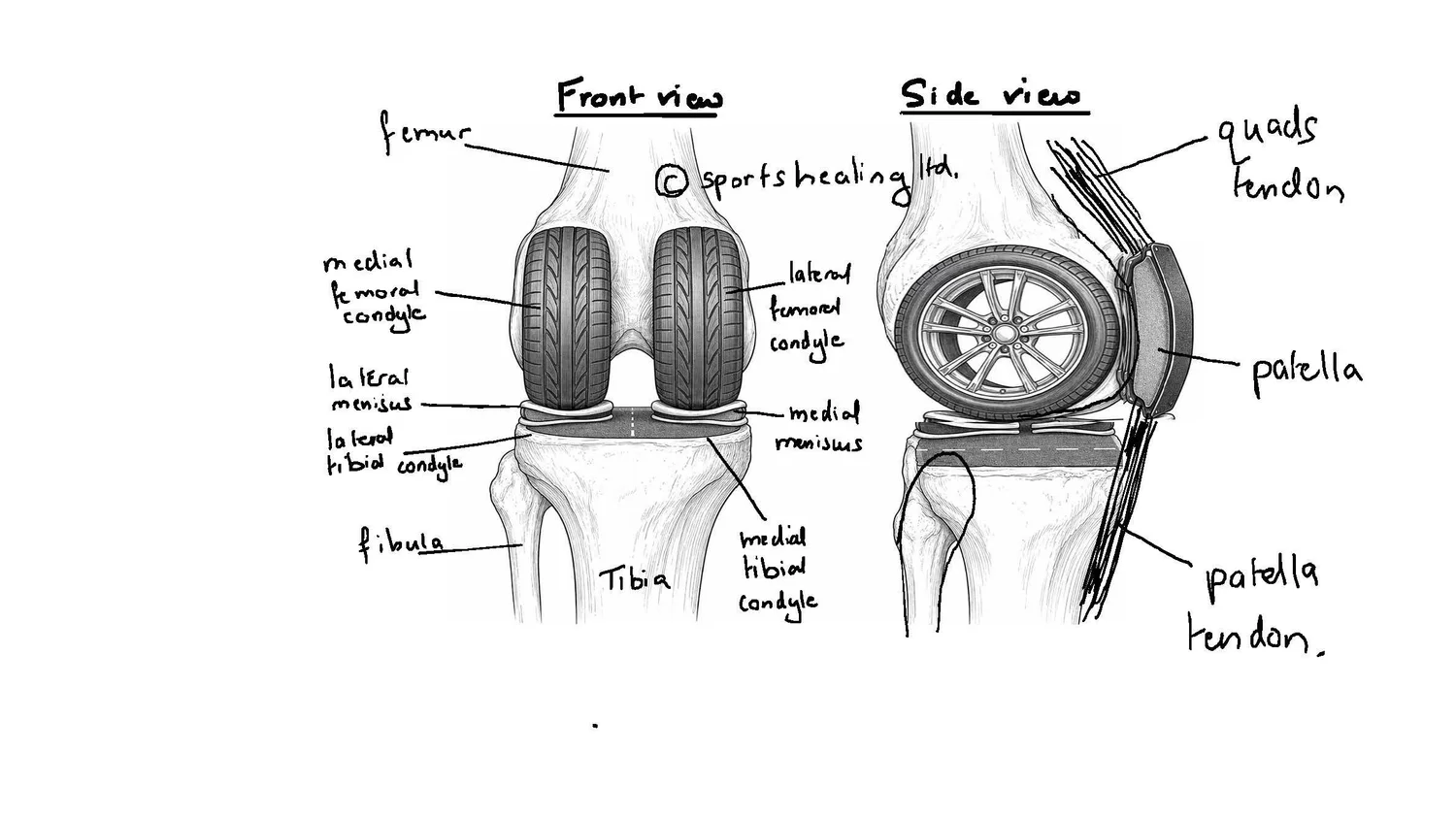
The knee can be understood most clearly when viewed as a precision mechanical system, similar to a car.
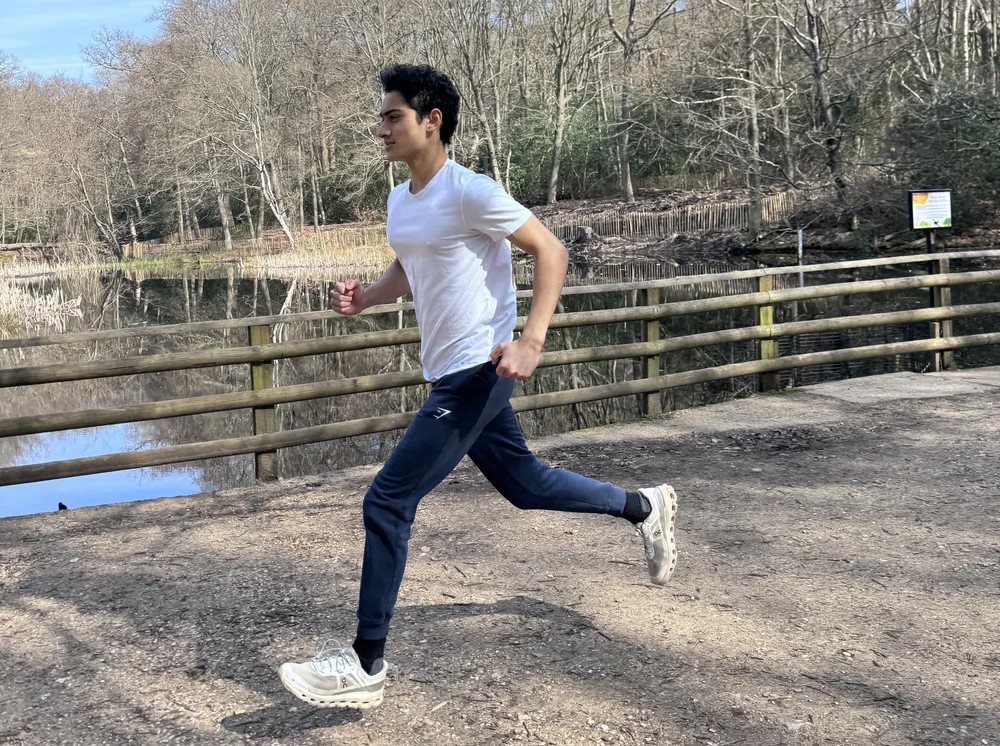
Each foot strike during running transmits a ground reaction force of approximately 2–3 times body weight through the lower limb.
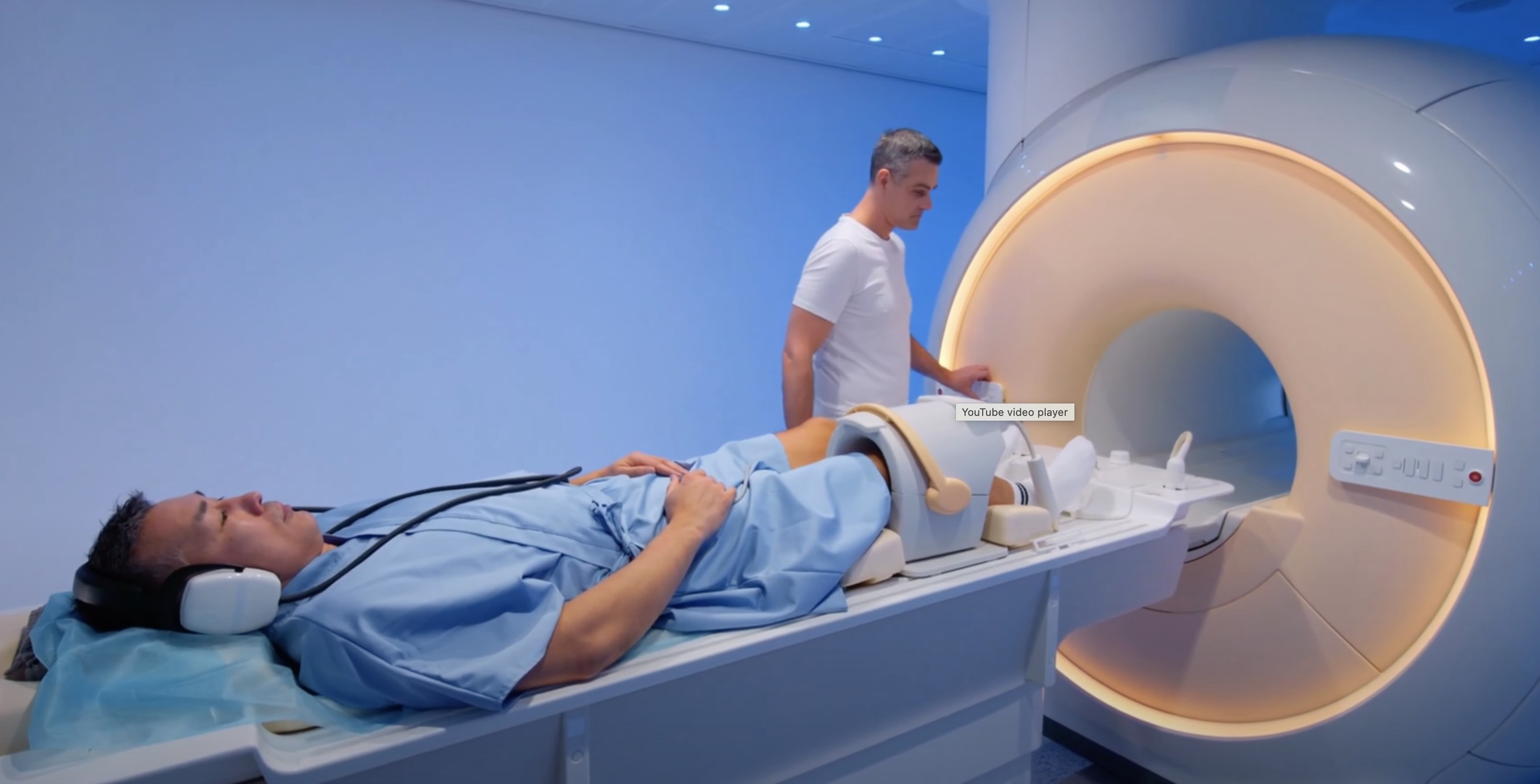
Whether you’re a weekend runner, a footballer on the pitch, or a racket-sport enthusiast, knee injuries can happen in a split second.
October 27, 2026