Knee PR: The Smart Way to Manage Knee Injuries in Sport
By Professor Chinmay Gupte | Consultant Knee Surgeon | SportsHealing Clinic
Whether you’re a weekend runner, a footballer on the pitch, or a racket-sport enthusiast, knee injuries can happen in a split second — a twist, a tackle, a sudden “pop.” What happens in the first few minutes can make all the difference to your recovery.
That’s why I created the “Knee PR” protocol — a simple, evidence-based guide for the initial assessment and management of sports-related knee injuries. Think of it as first aid for the knee, designed for coaches, physiotherapists, athletes and anyone who loves to move.
1. Protect and Respect the Knee (First 48 Hours)
The old “RICE” mantra (Rest, Ice, Compression, Elevation) has evolved. Modern sports medicine favours PEACE & LOVE —
Protect the joint from further harm using crutches if unstable.
Elevate and compress with an elastic sleeve or bandage to limit swelling.
Use cryotherapy for 10–20 minutes every few hours to ease pain.
Avoid anti-inflammatory overuse in the first day or two — inflammation is part of healing.
Then transition to Load, Optimism, Vascularisation and Exercise. Early, pain-free movement is key.
---
### 👟 2. Quick Sideline Assessment
Spotting serious injuries early prevents long-term damage.
Look for the red-flag signs:
A “pop” sound with immediate swelling (think ACL tear).
Inability to bear weight.
Locking, deformity, or numbness.
Apply the Ottawa Knee Rule — X-rays are needed if there’s bone tenderness or if the player can’t take four steps.
Simple tests like the Lachman (for ACL), posterior drawer (for PCL), and valgus/varus stress (for MCL/LCL) help identify ligament injuries.
Always check the extensor mechanism — if a straight-leg raise isn’t possible, that’s an urgent referral.
---
### 🩹 3. Immobilise or Mobilise?
Knowing when to move — and when not to — is vital.
Immobilise and refer urgently if you suspect:
A patellar or quadriceps tendon rupture.
Gross instability or dislocation.
A multiligament knee injury (MLKI).
Otherwise, most isolated ligament or meniscal sprains respond best to early motion in a hinged brace, pain-guided loading, and structured rehabilitation.
---
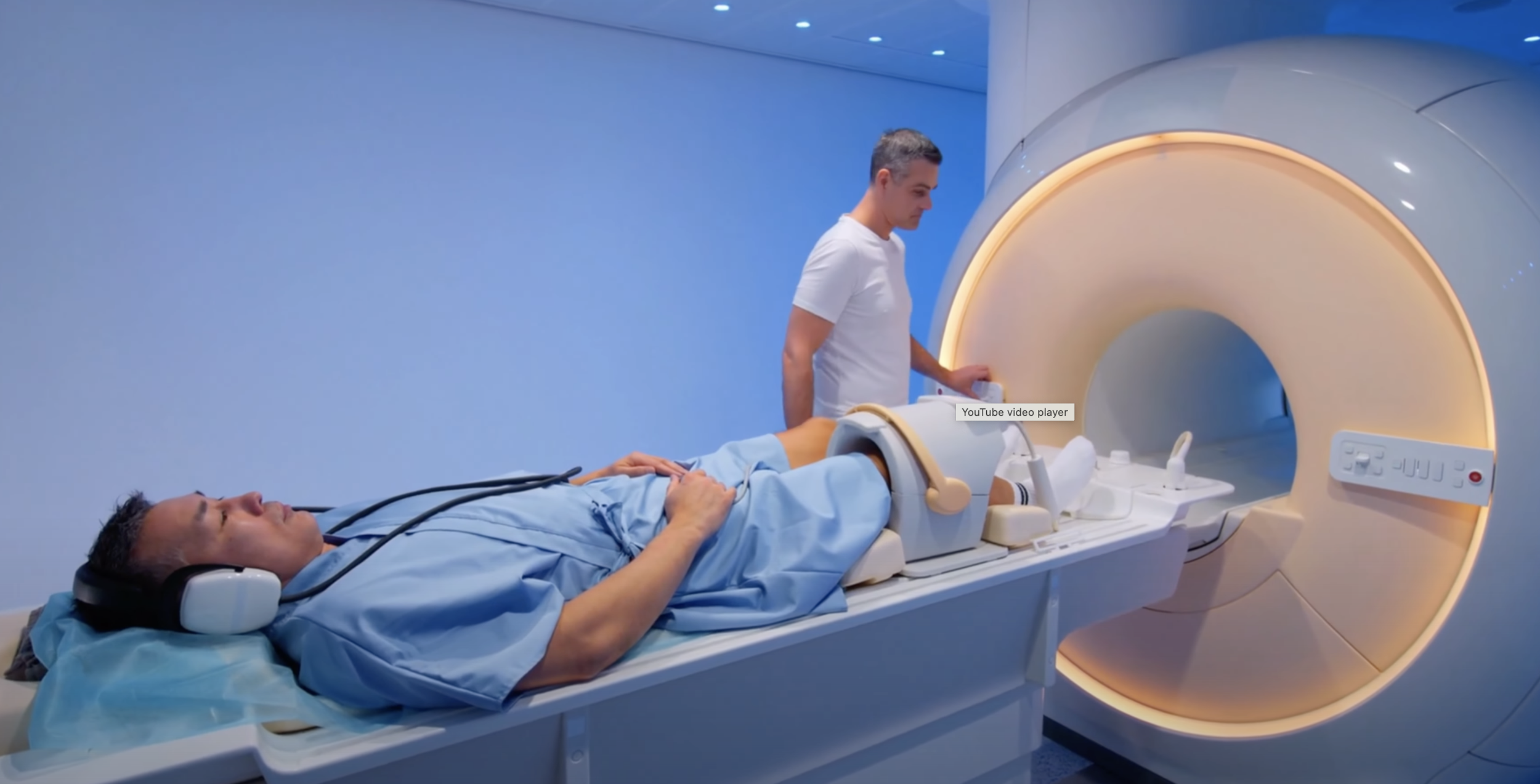
### 🧠 4. When to Order an MRI
Not every knee needs a scan — but the right one at the right time is priceless.
Book an MRI if you suspect:
An acute ACL/PCL or meniscal tear after trauma.
A locked knee.
A patellar dislocation with suspected cartilage damage.
If your pain builds slowly with running or training, it’s often overuse rather than a tear — rest, rehab, and re-assessment usually solve it.
---
### 💪 5. Getting Back to Play
Movement heals. Once swelling subsides, focus on:
Quadriceps activation and controlled range of motion.
Compression sleeves for comfort and proprioception.
Progressive loading guided by pain and stability.
Return to sport only when you’re pain-free, strong, and confident — and your knee passes functional hop or stability tests.
---
### 🩺 When to See a Specialist
If your knee locks, swells repeatedly, gives way, or you can’t straighten it — don’t wait.
An experienced knee surgeon can differentiate between injuries that need rehabilitation and those requiring surgical repair or reconstruction.
At the SportsHealing Clinic, we combine **advanced imaging, ultrasound-guided care, and holistic rehabilitation — from runners to elite cricketers — to help you heal stronger than before.
---
### 🔍 Key Takeaway
Early, informed action prevents long-term damage.
The Knee PR approach blends modern evidence, imaging precision, and the simple principle that movement — when guided safely — is medicine.
---
#### About Professor Chinmay Gupte
Professor Chinmay Gupte is a Consultant Knee Surgeon at The Wellington Hospital London and Associate Professor at Imperial College.
A former Oxford University cricketer and researcher in ligament biomechanics, he leads SportsHealing Clinic — dedicated to precision knee care, holistic recovery, and performance for all levels of athletes.